


















Over the past few years, the banking industry in Indonesia has experienced an extraordinary acceleration of digital transformation. The pandemic served as a trigger, but the need for efficiency, convenience in services, and transaction security has now become the main factors driving change. For regional banks, digital transformation is no longer an option—it is a necessity to remain relevant and competitive.
1. Background: Increasing Demands of Digital Customers
Customer behavior has changed. They desire fast, easily accessible, and secure banking services whenever needed. Mobile banking applications, digital payments, and online account openings have all become the new standard. However, many regional banks still rely on outdated systems (legacy systems) that limit innovation and integration.
Here, the biggest challenge arises: how to accelerate transformation without disrupting existing services while ensuring compliance with OJK and Bank Indonesia regulations.
2. Major Challenges in Digital Transformation
Some common challenges faced by regional banks include:
Limited technology infrastructure. Many core banking systems are still closed off and difficult to integrate with modern digital services.
Lack of digital human resources. The shift to a digital ecosystem requires talent with expertise in technology, cybersecurity, and data analytics.
Compliance and data security. In the digital age, the challenge is not only about new features but also about maintaining customer trust through secure and compliant systems.
Budget constraints. Digital investment requires careful planning so that implementation costs do not burden operations.
3. Vast Opportunities
Despite many challenges, digital transformation actually opens up significant opportunities for regional banks. Through digitization, banks can expand service reach to remote areas, reduce operational costs, and enhance process efficiency.
Technologies such as API banking, cloud infrastructure, and open finance enable regional banks to collaborate with fintech and local startups. This collaboration not only accelerates innovation but also enriches customer experiences through more personalized and contextual services.
In addition, utilizing data analytics helps banks understand customer behavior more deeply—forming the basis for more accurate and strategic decision-making.
4. The Role of Collega in Accelerating Digital Transformation
As a leading provider of financial technology solutions in Indonesia, Collega Inti Pratama is committed to supporting regional banks in their digital transformation journey. With over two decades of experience in the banking industry, Collega understands the operational complexities and specific needs of each institution.
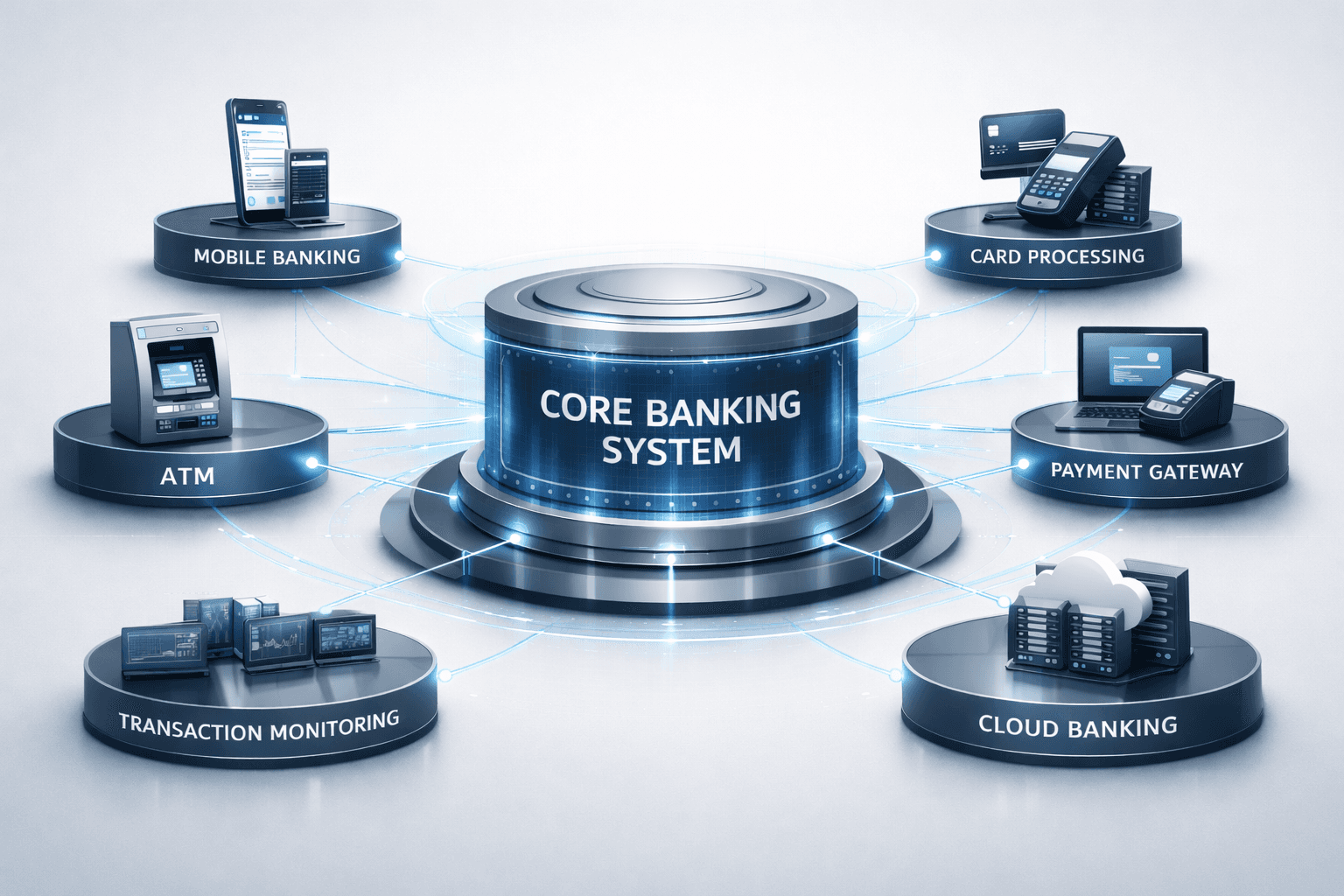
Through digital solutions such as core banking systems, mobile banking, payment gateways, and API-based system integration, Collega helps regional banks deliver modern, secure, and compliant digital services. This approach focuses not only on technology but also on enhancing human resource capacity and cultural change to ensure sustainable transformation.
5. Towards an Inclusive and Intelligent Banking Future
Digital transformation is not merely about replacing old systems with new ones. It is about creating new value for customers and strengthening the role of regional banks as pillars of the local economy. With the right technology support, strong collaboration, and a long-term vision, regional banks can become key players in Indonesia's digital financial ecosystem.
Collega believes that the future of banking in Indonesia is digital, collaborative, and inclusive—where every innovation brings a real impact on regional economic growth and community welfare.