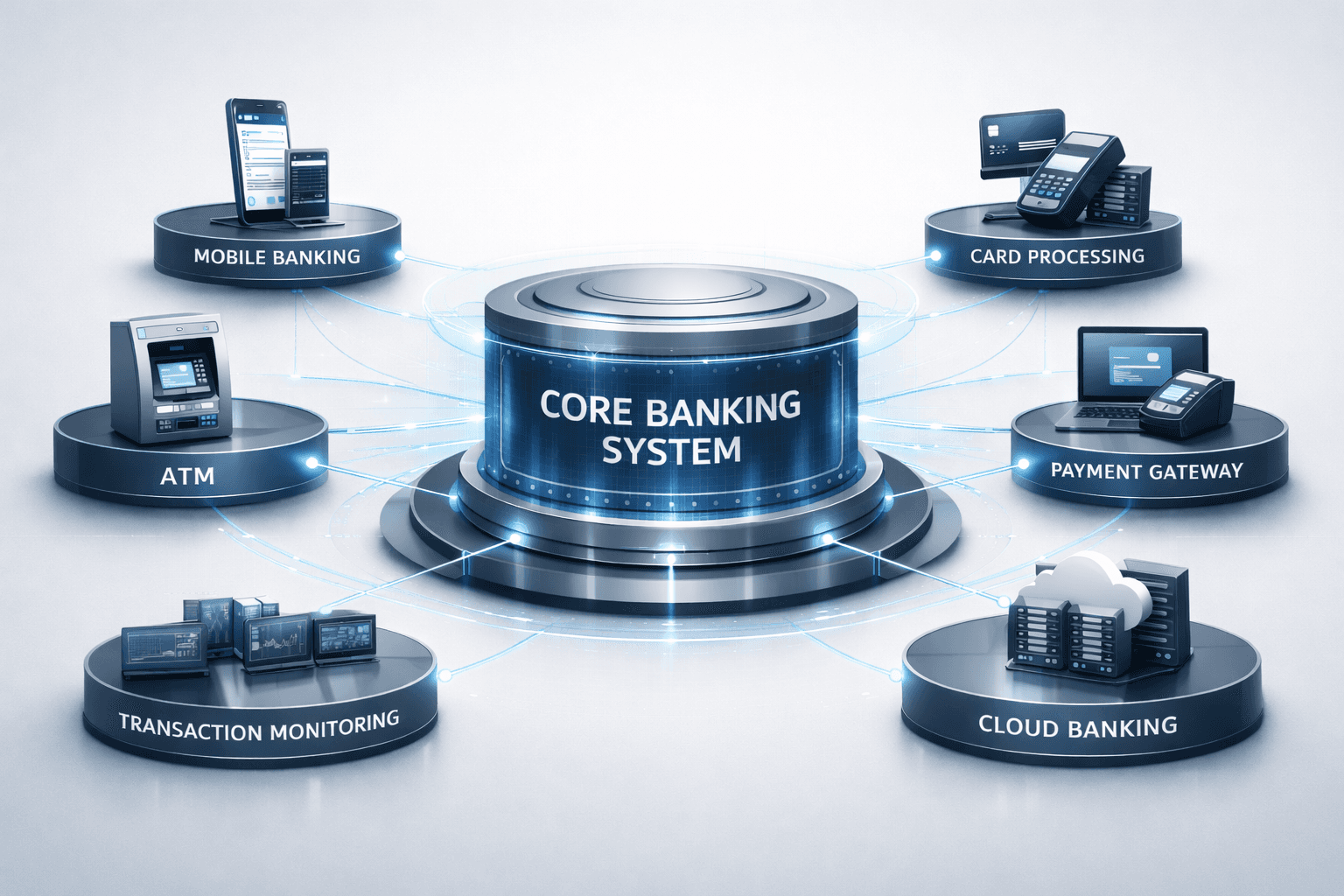





















Cloud native in banking is the key to agile, scalable, and efficient digital transformation. Learn the benefits and implementation for the financial industry. Cloud-native banking is a modern approach to designing, building, and running financial applications specifically optimized for cloud computing environments.
What Is Cloud Native in Banking?
Along with the acceleration of digital transformation, the banking industry is beginning to shift from conventional systems to more modern approaches, one of which is cloud native. Cloud native is an application development and management approach specifically designed to run in cloud environments, leveraging technologies such as containers, microservices, and automation.
In the banking context, cloud native enables banks to build systems that are more flexible, adapt quickly, and are able to handle continuously increasing transaction demands.
Why Is Cloud Native Important for the Banking Industry?
Implementing cloud native provides various strategic advantages for banking, including:
High Scalability. Cloud native allows banking systems to easily adjust capacity according to needs, especially during spikes in digital transactions at certain moments.
Speed of Innovation. With a microservices-based architecture, new feature development can be done faster without disrupting the core system. This is very important in facing digital banking competition.
Operational Efficiency. Using the cloud helps reduce dependence on physical infrastructure, thereby lowering operational costs while improving system management efficiency.
Reliability and Availability. Cloud-native systems are designed to have high availability and to minimize downtime through automated recovery.
Cloud Native and Digital Banking Transformation
In the digital banking era, the need for real-time, integrated, and responsive systems has become crucial. Cloud native supports this by enabling easier integration with various digital services such as:
Mobile banking
Internet banking
Payment gateway
API ecosystem and open banking
With this approach, banks can build a connected digital ecosystem oriented toward customer experience.
Challenges of Cloud Native Implementation in Banking
Although it offers many benefits, cloud-native implementation also faces a number of challenges, such as:
Compliance with banking regulations
Data security and customer privacy
Migration from legacy systems
Workforce readiness and organizational culture
Therefore, a well-prepared strategy and reliable infrastructure support are required to ensure optimal implementation.
The Future of Cloud Native in the Banking Industry
Going forward, cloud native will become the standard in modern banking system development. With support from technologies such as AI, big data, and API integration, cloud native will accelerate innovation and improve banks' competitiveness in the digital era.
Banks that are able to adopt cloud native optimally will be better prepared to face market changes, improve efficiency, and deliver better services to customers.
Cloud native in the banking world is not just a trend, but a strategic necessity for building systems that are agile, scalable, and efficient. With the right infrastructure support, such as Collega Cloud Infrastructure, banks can accelerate digital transformation while maintaining system security and stability.
As an experienced IT Banking Solution company, PT Collega Inti Pratama presents the Collega Cloud Infrastructure (Data Center) solution designed to support banking digital transformation needs. With this solution, PT Collega Inti Pratama helps banks build a strong technology foundation to face an increasingly complex digital era.