



















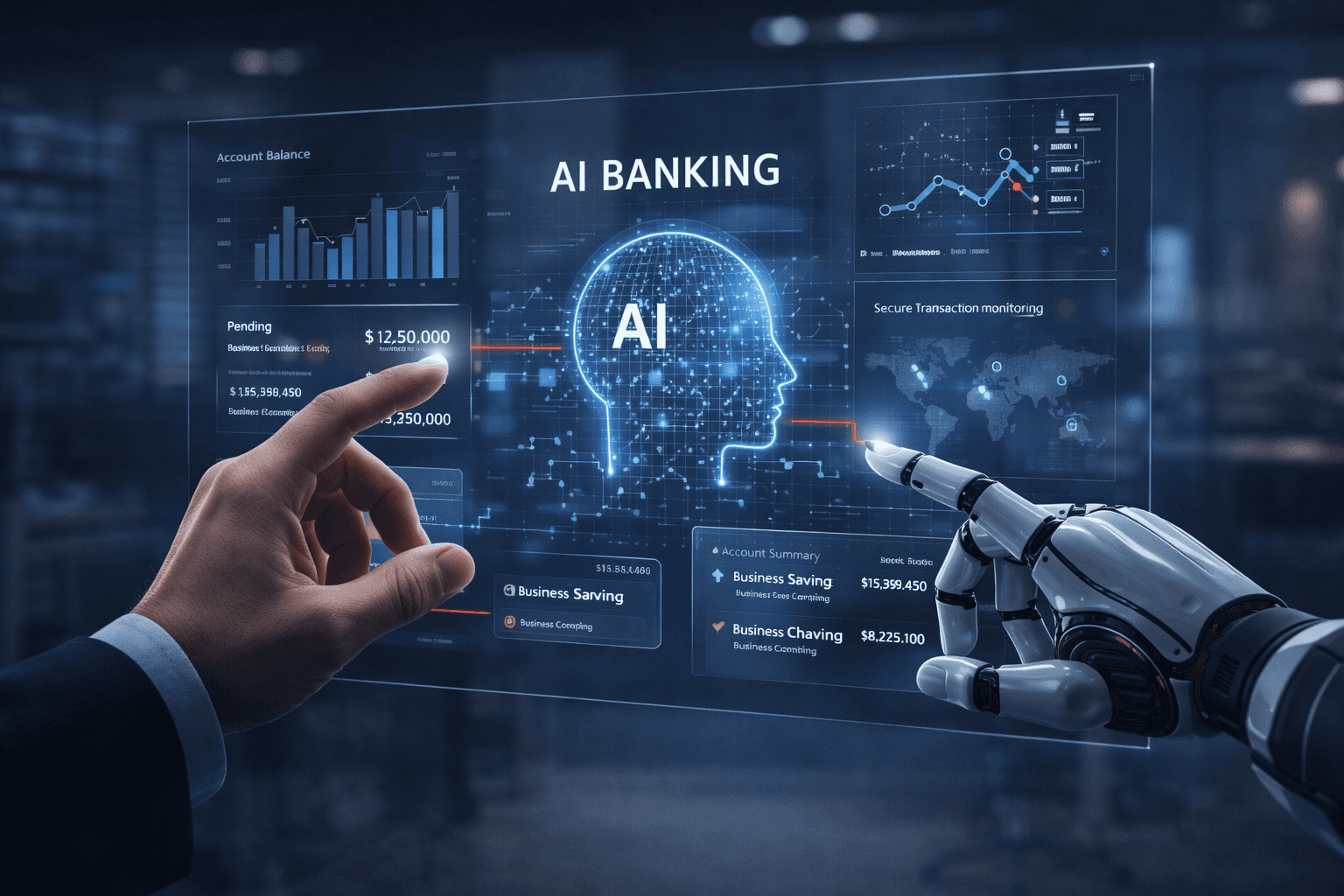
The development of Artificial Intelligence (AI) in the banking industry has changed the way banks operate, interact with customers, and manage risks. Amid the acceleration of digital transformation, AI is no longer merely a supporting technology but has become a fundamental foundation in building smarter, faster, and safer financial services.
The banking industry currently faces significant challenges: an increase in digital transaction volume, increasingly complex fraud threats, and customer expectations for instant and personalized services. AI comes as a solution to address these challenges in an integrated manner.
Why is AI Important for the Banking Industry?
The implementation of AI allows banks to process data on a large scale (big data) into valuable insights. With a machine learning and predictive analytics approach, banks can enhance decision-making quality and operational efficiency.
Some strategic roles of AI in the banking industry include:
Fraud Detection and Cybersecurity. AI can detect abnormal transaction patterns in real-time. Machine learning-based systems can learn customer behavior and identify suspicious activities before they lead to financial losses.
Credit Scoring and Risk Assessment. The credit analysis process is now faster and more accurate through AI-based credit scoring. Predictive models help banks assess customer eligibility based on historical data and transaction behavior.
Customer Experience and Personalization. Through behavioral data analysis, AI enables banks to provide more relevant product recommendations. Chatbots based on Natural Language Processing (NLP) also enhance customer service with responses 24/7.
Automation of Operational Processes. AI supports the automation of back office processes, transaction reconciliations, and financial reporting, thus improving efficiency and reducing the risk of human error.
AI and the Transformation of Digital Banking
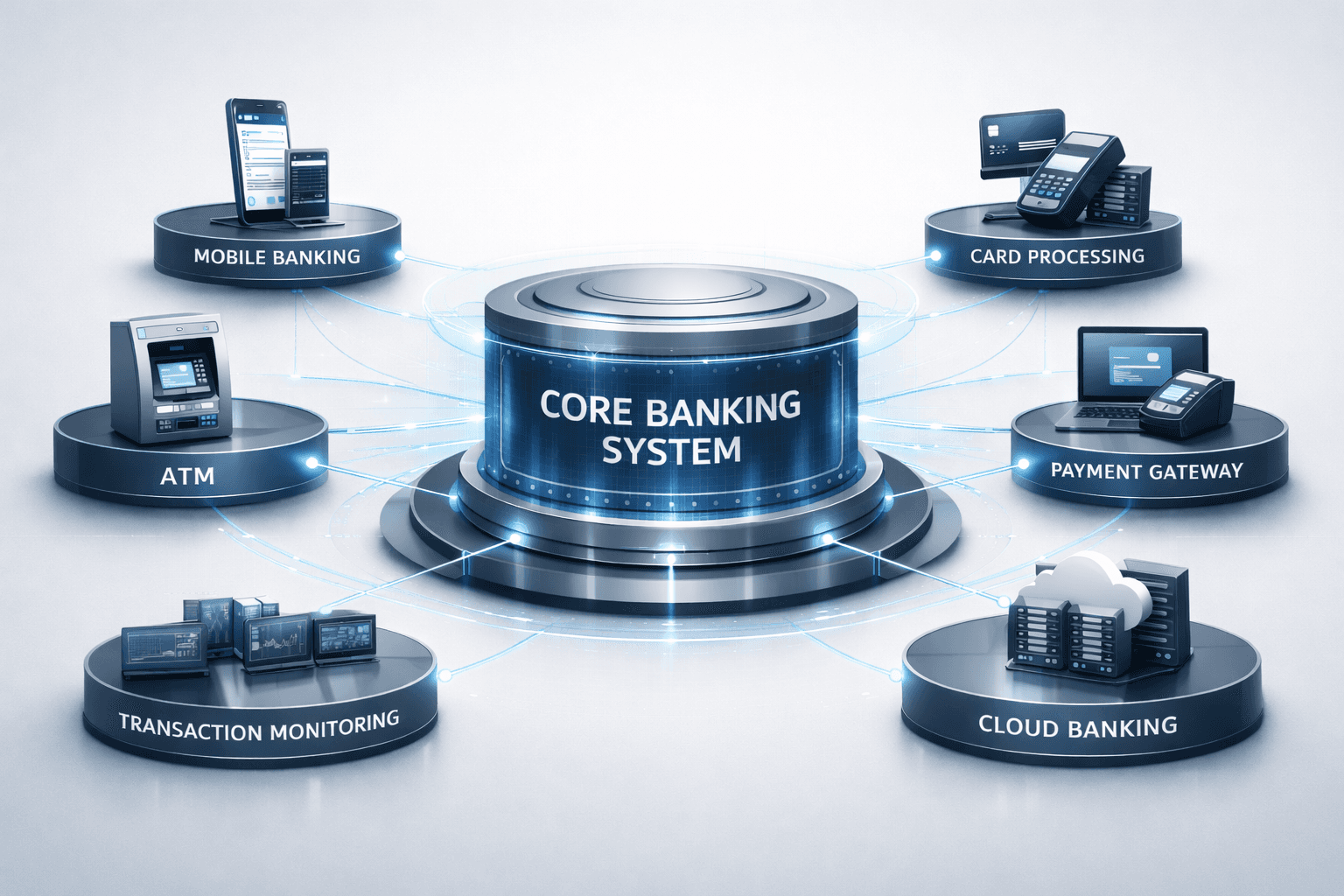
The transformation of digital banking is not only about migrating services to digital platforms, but about building an intelligent banking ecosystem. The integration of AI with core banking systems, data warehouses, and API management allows banks to create systems that are:
Real-time and integrated
Scalable according to business growth
Secure with data-driven monitoring
Data-driven in decision-making
With this approach, AI becomes the main driver of innovation in digital banking.
Challenges in Implementing AI in Banking
Despite having numerous benefits, the implementation of AI in the banking industry also faces several challenges, such as:
Readiness of technology infrastructure
Quality and integrity of data
Regulation and compliance
Data security and customer privacy
Availability of digital talent
The role of Artificial Intelligence (AI) in the banking industry is becoming increasingly strategic in supporting digital transformation. Therefore, the adoption of AI requires mature strategies, strong system integration, and a commitment to data security and governance. From operational efficiency, risk management, credit scoring, to enhancing customer experience.
AI is becoming a key technology in creating intelligent and sustainable financial services. Going forward, banks that can optimally integrate AI will have a significant competitive advantage in navigating the dynamics of the digital financial industry.