













About Collega
About Collega
Together with Partners to Build the Nation
Together with Partners
Building the Nation
Collega acts as a strategic partner in building a secure and sustainable national banking digital ecosystem. Through innovative digital solutions, Collega supports banking transformation to drive economic growth and national development.
Collega acts as a strategic partner in building a secure and sustainable national banking digital ecosystem. Through innovative digital solutions, Collega supports banking transformation to drive economic growth and national development.



Collega has been established since February 3, 2001, as a national Information Technology (IT) company focused on developing banking technology in Indonesia. For more than 2 decades, Collega has become the Market Leader for Core Banking Systems in Regional Development Banks or Bank Pembangunan Daerah (BPD) throughout Indonesia.
Collega has been established since February 3, 2001, as a national Information Technology (IT) company focused on developing banking technology in Indonesia. For more than 2 decades, Collega has become the Market Leader for Core Banking Systems in Regional Development Banks or Bank Pembangunan Daerah (BPD) throughout Indonesia.
PT Collega Inti Pratama (Collega) is a national IT company that is part of the Telkom Group, consistently contributing to the development of Information Technology for Banking and Finance. Collega has 2 categories of services, namely Technology Application Products and Data Center & DRC Services. The products offered by Collega include; Core Banking System applications (Conventional & Sharia), Omni Banking applications, and Smart Banking applications.
PT Collega Inti Pratama (Collega) is a national IT company that is part of the Telkom Group, consistently contributing to the development of Information Technology for Banking and Finance. Collega has 2 categories of services, namely Technology Application Products and Data Center & DRC Services. The products offered by Collega include; Core Banking System applications (Conventional & Sharia), Omni Banking applications, and Smart Banking applications.
By providing the best products and services, Collega is ready to be the trusted Digital IT Services company of choice for banking in Indonesia.
By providing the best products and services, Collega is ready to be the trusted Digital IT Services company of choice for banking in Indonesia.
30+
The Bank & Financial Institutions trust Collega
30+
The Bank & Financial Institutions trust Collega
> 50%
Market Share Growth
> 50%
Market Share Growth
50+
Products & solutions developed by Collega
2
The Data Center that Collega has in Indonesia
30+
The Bank & Financial Institutions trust Collega
> 50%
Market Share Growth
50+
Products & solutions developed by Collega
2
The Data Center that Collega has in Indonesia
Vision
"Becoming the trusted choice for Digital IT Services in Indonesia."
Vision
"Becoming the trusted choice for Digital IT Services in Indonesia."
Mission
Having superior products and services with the latest technology.
Providing high-quality and reliable services for customers.
Presenting skilled IT professionals with high integrity.
Mission
Having superior products and services with the latest technology.
Providing high-quality and reliable services for customers.
Presenting skilled IT professionals with high integrity.
Collega Company Philosophy
Collega Company Philosophy
Collega Company Philosophy

Service Excellence
Customer satisfaction is an integral part of Collega's commitment to always improve and provide the best services.

Leading Technology
Providing the best service by offering innovative solutions with superior and up-to-date technology support.

Human Capital
Human resources are a priority in Collega's cultural values because they are a valuable asset that will determine the success of a company.
Service Excellence
Customer satisfaction is an integral part of Collega's commitment to always improve and provide the best services.
Leading Technology
Providing the best service by offering innovative solutions with superior and up-to-date technology support.
Human Capital
Human resources are a priority in Collega's cultural values because they are a valuable asset that will determine the success of a company.
Service Excellence
Customer satisfaction is an integral part of Collega's commitment to always improve and provide the best services.
Leading Technology
Providing the best service by offering innovative solutions with superior and up-to-date technology support.
Human Capital
Human resources are a priority in Collega's cultural values because they are a valuable asset that will determine the success of a company.
Service Excellence
Customer satisfaction is an integral part of Collega's commitment to always improve and provide the best services.
Leading Technology
Providing the best service by offering innovative solutions with superior and up-to-date technology support.
Human Capital
Human resources are a priority in Collega's cultural values because they are a valuable asset that will determine the success of a company.
Why Choose Collega
Why Choose Collega
Why Choose Collega
Deep Expertise in the Financial Industry
Experienced for more than 20 years in core banking, payment, and digital financial solution development for dozens of banks in Indonesia.


Security & Compliance Guaranteed
All Collega solutions comply with BI–OJK regulations and data security standards, ensuring that your system is always safe and in accordance with requirements.
Integrated & Scalable Technology
A modular and flexible solution, easy to integrate, and ready to grow with your business needs.

Collaborative Approach
We become strategic partners who understand your challenges and collaboratively design impactful solutions for operations and customers.

20+ Years of Experience
Our long track record stands as evidence of our commitment to delivering stable, innovative, and result-oriented solutions.

30+ Banks & Financial Institutions Trust Us
Collega is trusted by more than 30 regional banks and national financial institutions to manage their digital systems and services.

Deep Expertise in the Financial Industry
Experienced for more than 20 years in core banking, payment, and digital financial solution development for dozens of banks in Indonesia.
Security & Compliance Guaranteed
All Collega solutions comply with BI–OJK regulations and data security standards, ensuring that your system is always safe and in accordance with requirements.
Integrated & Scalable Technology
A modular and flexible solution, easy to integrate, and ready to grow with your business needs.
Collaborative Approach
We become strategic partners who understand your challenges and collaboratively design impactful solutions for operations and customers.
20+ Years of Experience
Our long track record stands as evidence of our commitment to delivering stable, innovative, and result-oriented solutions.
30+ Banks & Financial Institutions Trust Us
Collega is trusted by more than 30 regional banks and national financial institutions to manage their digital systems and services.
Deep Expertise in the Financial Industry
Experienced for more than 20 years in core banking, payment, and digital financial solution development for dozens of banks in Indonesia.
Security & Compliance Guaranteed
All Collega solutions comply with BI–OJK regulations and data security standards, ensuring that your system is always safe and in accordance with requirements.
Integrated & Scalable Technology
A modular and flexible solution, easy to integrate, and ready to grow with your business needs.
Collaborative Approach
We become strategic partners who understand your challenges and work together to design impactful solutions for operations and clients.
20+ Years of Experience
Our long track record stands as evidence of our commitment to delivering stable, innovative, and result-oriented solutions.
30+ Banks & Financial Institutions Trust Us
Collega is trusted by more than 30 regional banks and national financial institutions to manage their digital systems and services.
Collega's journey
Collega's journey
2001
2001
2001
Collega was founded in Bali on February 3, 2001.
Collega was founded in Bali on February 3, 2001.
Collega was founded in Bali on February 3, 2001.
The launch of the OLIBs Core Banking System.
The launch of the OLIBs Core Banking System.
The launch of the OLIBs Core Banking System.
2003
2003
2003
The Head Office has been relocated to Jakarta.
The Head Office has been relocated to Jakarta.
The Head Office has been relocated to Jakarta.
The launch of the eMWare Switching application.
The launch of the eMWare Switching application.
The launch of the eMWare Switching application.
2004
2004
2004
The launch of Sharia OLIBs Core Banking.
The launch of Sharia OLIBs Core Banking.
The launch of Sharia OLIBs Core Banking.
Disaster Recovery Planning (DRP).
Disaster Recovery Planning (DRP).
Disaster Recovery Planning (DRP).
Disaster Recovery Center (DRC).
Disaster Recovery Center (DRC).
Disaster Recovery Center (DRC).
MP3 products.
MP3 products.
MP3 products.
2005
2005
2005
Achieved ISO 9001:2000 certification from URS-UKAS.
Achieved ISO 9001:2000 certification from URS-UKAS.
Achieved ISO 9001:2000 certification from URS-UKAS.
BI Solution and Risk Management products have been launched.
BI Solution and Risk Management products have been launched.
BI Solution and Risk Management products have been launched.
2006
2006
2006
Data Center Launch.
Data Center Launch.
Data Center Launch.
Business Continuity Planning Service.
Business Continuity Planning Service.
Business Continuity Planning Service.
The launch of i-SAMSAT.
The launch of i-SAMSAT.
The launch of i-SAMSAT.
2008
2008
2008
Collega's headquarters have moved to Talavera Office Park.
Collega's headquarters have moved to Talavera Office Park.
Collega's headquarters has moved to Talavera Office Park.
with a total of 300 experts and employees.
with a total of 300 experts and employees.
With a total of 300 experts and employees.
2009
2009
2009
The OLIBs application has been developed.
The OLIBs application has been developed.
The OLIBs application has been developed.
received the Top Local ICT Company award from BAPPEPAM-LK.
received the Top Local ICT Company award from BAPPEPAM-LK.
Receiving the Top Local ICT Company award from BAPPEPAM-LK.
2010
2010
2010
Implementation of PAPI 2008 in all BPD clients.
Implementation of PAPI 2008 in all BPD clients.
Implementation of PAPI 2008 in all BPD clients.
2013
2013
2013
Upgrade and Implementation of the Core Banking System OLIBs724 and OLIBs724 Sharia.
Upgrade and Implementation of the Core Banking System OLIBs724 and OLIBs724 Sharia.
Upgrade and Implementation of the Core Banking System OLIBs724 and OLIBs724 Sharia.
2017
2017
2017
Obtaining Payment Card Industry Data Security Standard (PCI-DSS) certification.
Obtaining Payment Card Industry Data Security Standard (PCI-DSS) certification.
Obtaining Payment Card Industry Data Security Standard (PCI-DSS) certification.
2018
2018
2018
On December 28, 2018, Collega was officially acquired by PT Telkom Indonesia (Persero) Tbk through one of its subsidiaries, PT Sigma Cipta Caraka (Telkomsigma).
On December 28, 2018, Collega was officially acquired by PT Telkom Indonesia (Persero) Tbk through one of its subsidiaries, PT Sigma Cipta Caraka (Telkomsigma).
On December 28, 2018, Collega was officially acquired by PT Telkom Indonesia (Persero) Tbk through one of its subsidiaries, PT Sigma Cipta Caraka (Telkomsigma).
2019
2019
2019
The launch of the Financial Accounting Standards Statement system, OLIBs PSAK 71, and the Online Reporting application, OLIBs APOLO and OLIBs Antasena.
The launch of the Financial Accounting Standards Statement system, OLIBs PSAK 71, and the Online Reporting application, OLIBs APOLO and OLIBs Antasena.
The launch of the Financial Accounting Standards Statement system, OLIBs PSAK 71, and the Online Reporting application, OLIBs APOLO and OLIBs Antasena.
2020
2020
2020
Collega has expanded his market share to Commercial Banks and the Financial Industry.
Collega has expanded his market share to Commercial Banks and the Financial Industry.
Collega has expanded his market share to Commercial Banks and the Financial Industry.
The launch of the OLIBs applications including PSAK 73, OLIBs SCV, OLIBs OBOX, OLIBs goAML, OLIBs Digital Ecosystem, and OLIBs Open API.
The launch of the OLIBs applications including PSAK 73, OLIBs SCV, OLIBs OBOX, OLIBs goAML, OLIBs Digital Ecosystem, and OLIBs Open API.
The launch of the OLIBs applications including PSAK 73, OLIBs SCV, OLIBs OBOX, OLIBs goAML, OLIBs Digital Ecosystem, and OLIBs Open API.
2021
2021
The launch of the integrated Digital Core Banking System.
The launch of the integrated Digital Core Banking System.
Expanding partnerships with various trusted partners.
Expanding partnerships with various trusted partners.
Expanding market share in National Public Banks and the Financial Industry.
Expanding market share in National Public Banks and the Financial Industry.
2023
2023
Gaining trust as a provider of Core Switching services, Fraud Detection System (FDS), and Collaborative Analysis Team (CAT)/ePEMILU
Gaining trust as a provider of Core Switching services, Fraud Detection System (FDS), and Collaborative Analysis Team (CAT)/ePEMILU
2024
2024
Obtaining ISO/IEC 27001:2022 Information Security Management System (ISMS) certification.
Obtaining ISO/IEC 27001:2022 Information Security Management System (ISMS) certification.
ISO 37001:2016 Certification Anti-Bribery Management System.
ISO 37001:2016 Certification Anti-Bribery Management System.
Computer Security Incident Response Team (CSIRT) Certification.
Computer Security Incident Response Team (CSIRT) Certification.
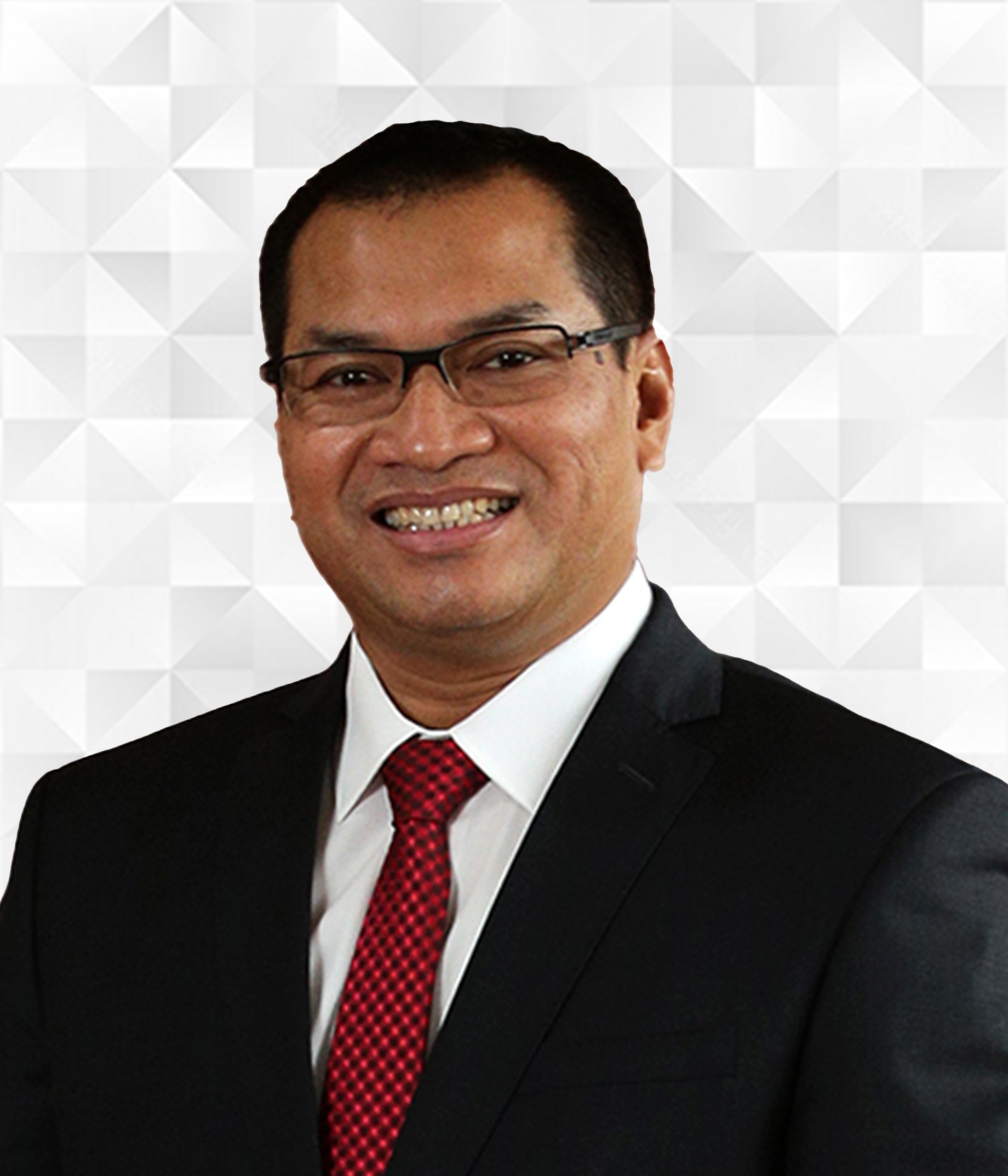
AGUS PRAMUDIONO
President Director
AGUS PRAMUDIONO
President Director
CEO Message
CEO Message
Stepping Together Towards Secure Digital Banking
Assalamu'alaikum warahmatullahi wabarakatuh, Warm greetings to us all, and Good morning!
Dear fellow Collegers, whom I am truly proud of,
Thank you for the hard work and commitment of all Collegers throughout the year 2025. What we have achieved is the result of collaboration, perseverance, and the spirit to continue to grow together as one big family of Collega.
Where Are We Going?
In the next three to five years, Collega will position itself as the primary partner for the digitization of Regional Development Banks. Collega wants to be recognized as Secure Banking System Partner, providing secure, reliable, and innovative digital banking services. Holistic security (systems, infrastructure, and operations) becomes Collega's identity, so that digital innovation can grow on a foundation of trust.
What We Have Built Throughout 2025
The year 2025 is an important phase in strengthening the operational foundation and long-term readiness of Collega. Several strategic steps have been successfully realized together, including:
- Relocation of the data center as part of strengthening critical infrastructure
- Increasing the monitoring capabilities of DC and DRC to maintain service reliability
- Improving the work environment and operational support facilities
- As well as developing various digital innovation initiatives that continue to grow
- Preparing a roadmap for the development of information technology security and digital innovation as guidance in facing the banking industry's future needs.
All these achievements result from the hard work and synergy of the entire team.
Challenges We Need to Address Together
The acceleration of banking digitization brings increasingly tangible challenges for all of us. Blueprint for Indonesia's Payment System (BSPI) 2030 projects a significant increase in digital transactions in the coming years, directly impacting service scale, system resilience, and banking security. This condition demands greater readiness in terms of technology, operations, and governance as well as a continuous commitment to strengthen Collega's foundations amidst the dynamics of the banking industry.
Preparing Steps Forward
To bridge the current conditions with the direction we aim for, Collega needs to step forward in a focused and consistent manner. Our focus moving forward includes:
- Implementing the principle of security by design in all services and system development
- Accelerating the adoption of digital technology, including automation and leveraging artificial intelligence
- Developing platforms with a DevSecOps approach so that security is part of the process from the very beginning
- As well as strengthening infrastructure and talent capabilities, including soft skills, to support sustainable digital growth.
Closing This Year, Looking Ahead
As we approach the end of 2025 and welcome 2026, I would like to express my thanks and appreciation for the dedication and cooperation of all Collegers. The achievements we have made become an important foundation for stepping further.
Let's maintain alignment, consistency of direction, and joint commitment in realizing Collega's vision as a secure and innovative banking digitization partner moving forward.
Wassalamu'alaikum warahmatullahi wabarakatuh.
Stepping Together Towards Secure Digital Banking
Assalamu'alaikum warahmatullahi wabarakatuh, Warm greetings to us all, and Good morning!
Dear fellow Collegers, whom I am truly proud of,
Thank you for the hard work and commitment of all Collegers throughout the year 2025. What we have achieved is the result of collaboration, perseverance, and the spirit to continue to grow together as one big family of Collega.
Where Are We Going?
In the next three to five years, Collega will position itself as the primary partner for the digitization of Regional Development Banks. Collega wants to be recognized as Secure Banking System Partner, providing secure, reliable, and innovative digital banking services. Holistic security (systems, infrastructure, and operations) becomes Collega's identity, so that digital innovation can grow on a foundation of trust.
What We Have Built Throughout 2025
The year 2025 is an important phase in strengthening the operational foundation and long-term readiness of Collega. Several strategic steps have been successfully realized together, including:
- Relocation of the data center as part of strengthening critical infrastructure
- Increasing the monitoring capabilities of DC and DRC to maintain service reliability
- Improving the work environment and operational support facilities
- As well as developing various digital innovation initiatives that continue to grow
- Preparing a roadmap for the development of information technology security and digital innovation as guidance in facing the banking industry's future needs.
All these achievements result from the hard work and synergy of the entire team.
Challenges We Need to Address Together
The acceleration of banking digitization brings increasingly tangible challenges for all of us. Blueprint for Indonesia's Payment System (BSPI) 2030 projects a significant increase in digital transactions in the coming years, directly impacting service scale, system resilience, and banking security. This condition demands greater readiness in terms of technology, operations, and governance as well as a continuous commitment to strengthen Collega's foundations amidst the dynamics of the banking industry.
Preparing Steps Forward
To bridge the current conditions with the direction we aim for, Collega needs to step forward in a focused and consistent manner. Our focus moving forward includes:
- Implementing the principle of security by design in all services and system development
- Accelerating the adoption of digital technology, including automation and leveraging artificial intelligence
- Developing platforms with a DevSecOps approach so that security is part of the process from the very beginning
- As well as strengthening infrastructure and talent capabilities, including soft skills, to support sustainable digital growth.
Closing This Year, Looking Ahead
As we approach the end of 2025 and welcome 2026, I would like to express my thanks and appreciation for the dedication and cooperation of all Collegers. The achievements we have made become an important foundation for stepping further.
Let's maintain alignment, consistency of direction, and joint commitment in realizing Collega's vision as a secure and innovative banking digitization partner moving forward.
Wassalamu'alaikum warahmatullahi wabarakatuh.
AGUS PRAMUDIONO, President Director
AGUS PRAMUDIONO, President Director
Commissioner

Gumilar Satriawan
Gumilar Satriawan
Chief Commissioner
Chief Commissioner
Ricad Saka
Ricad Saka
Commissioner
Commissioner

Adibya Fitrio Rizra
Adibya Fitrio Rizra
Commissioner
Commissioner
The Board of Directors
Agus Pramudiono
Agus Pramudiono
Chief Executive Officer
Chief Executive Officer

Afrizel
Afrizel
Business Director
Business Director

Royke Dwipura
Royke Dwipura
Product & Delivery Director
Product & Delivery Director
Management
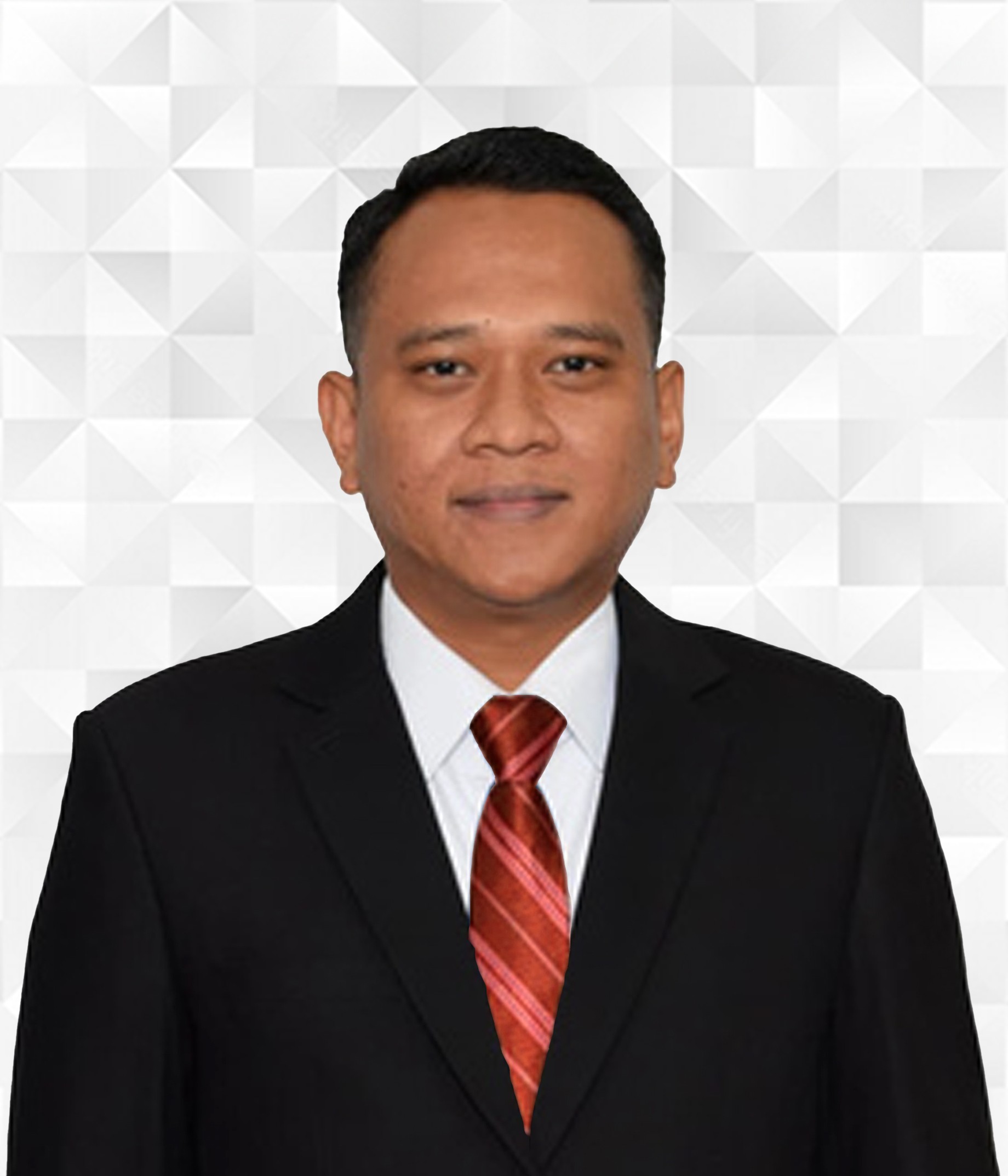
Deni Setia Budi
Deni Setia Budi
SVP Customer Relations
SVP Customer Relations
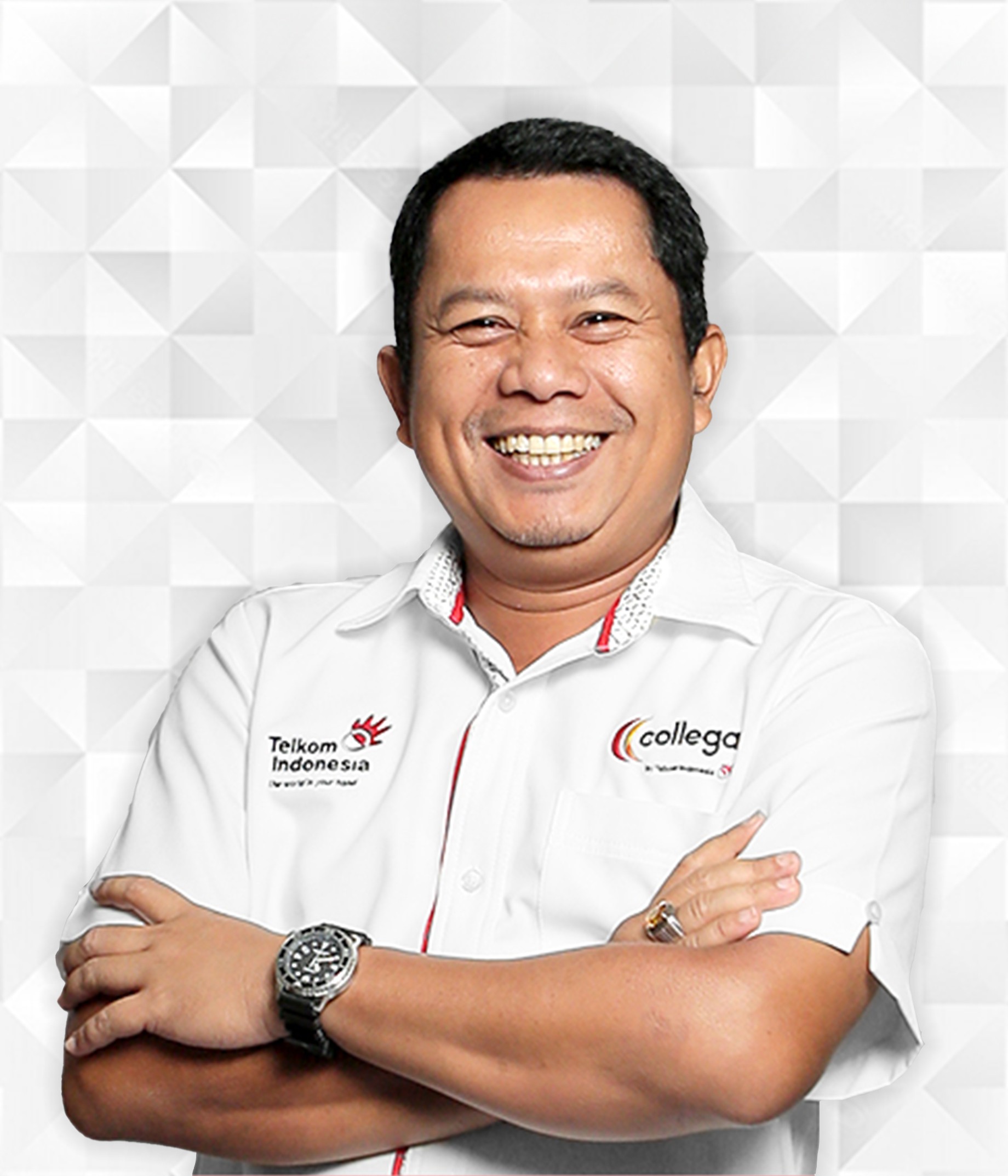
Donny Fernando
Donny Fernando
SVP Digital Solution
SVP Digital Solution
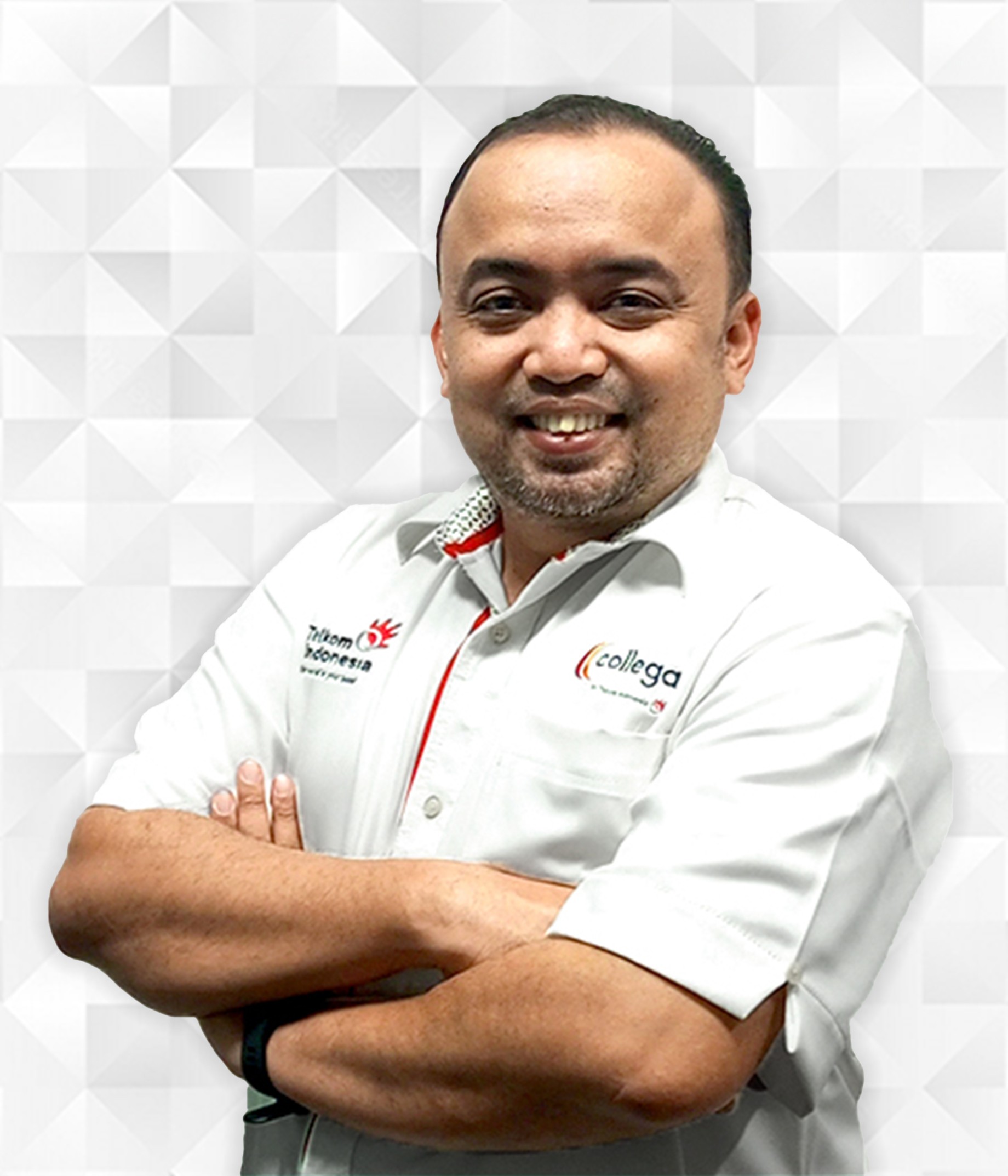
Lukman Gunawan
Lukman Gunawan
SVP Banking Applications
SVP Banking Applications
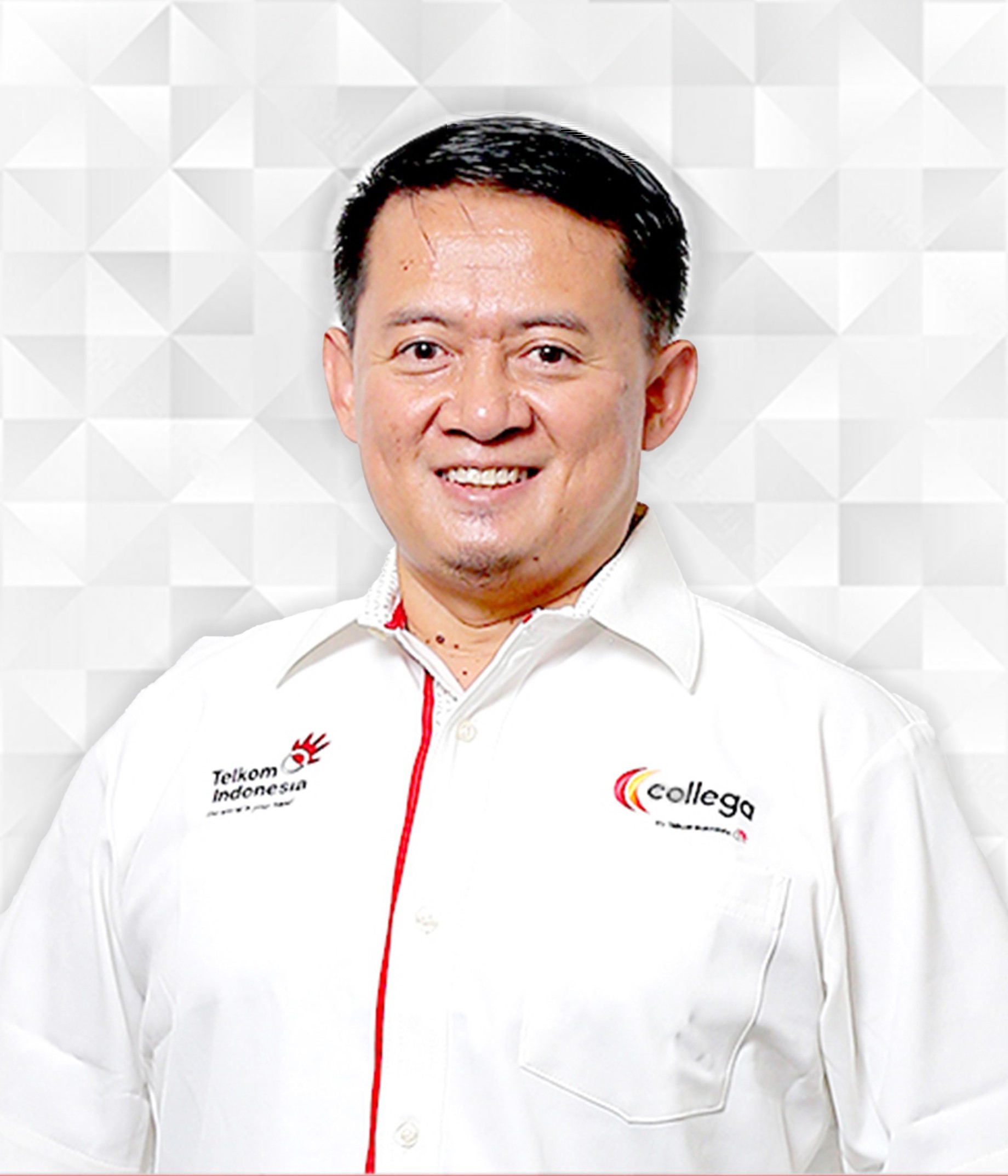
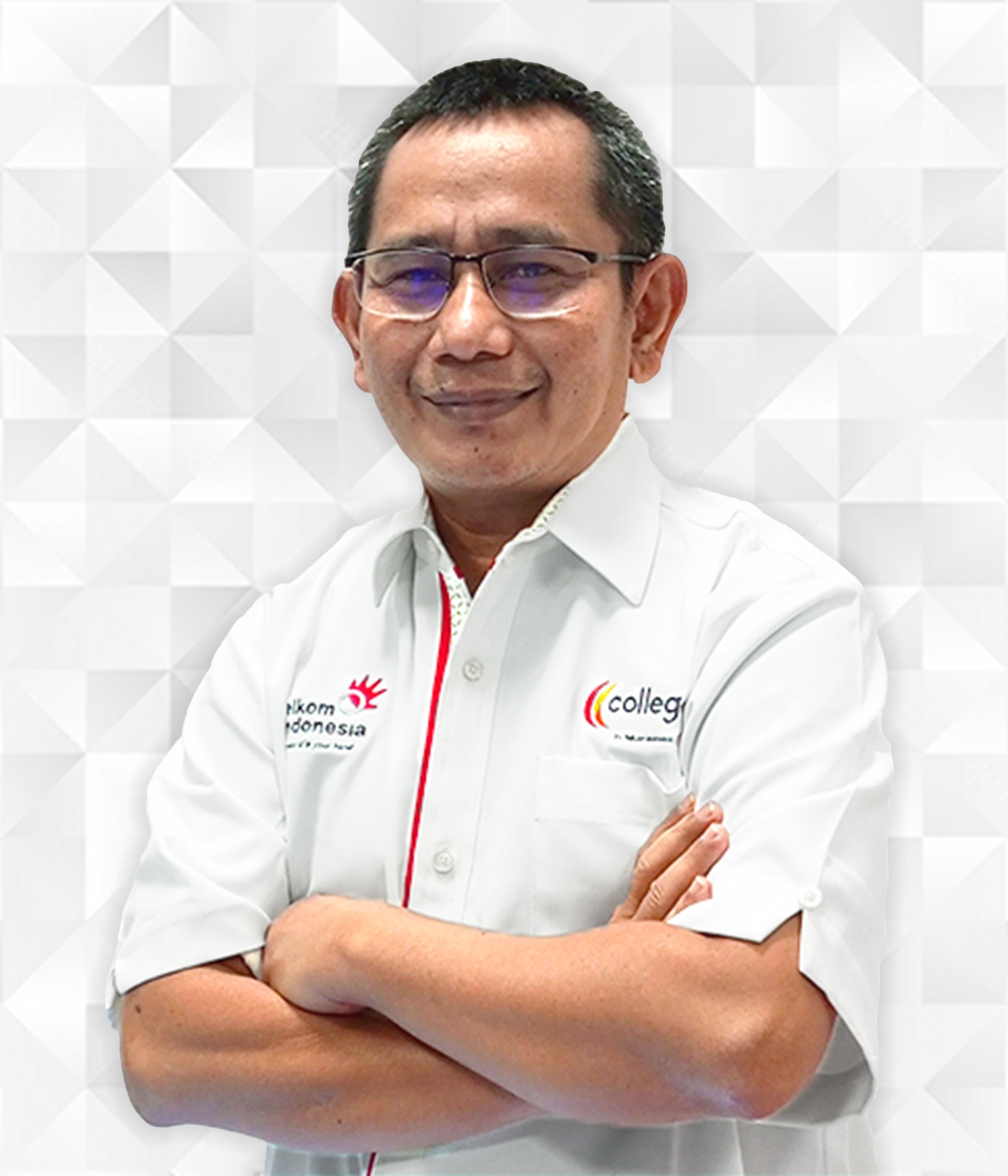
Sugiarto
Sugiarto
SVP Data Center Operation
SVP Data Center Operation
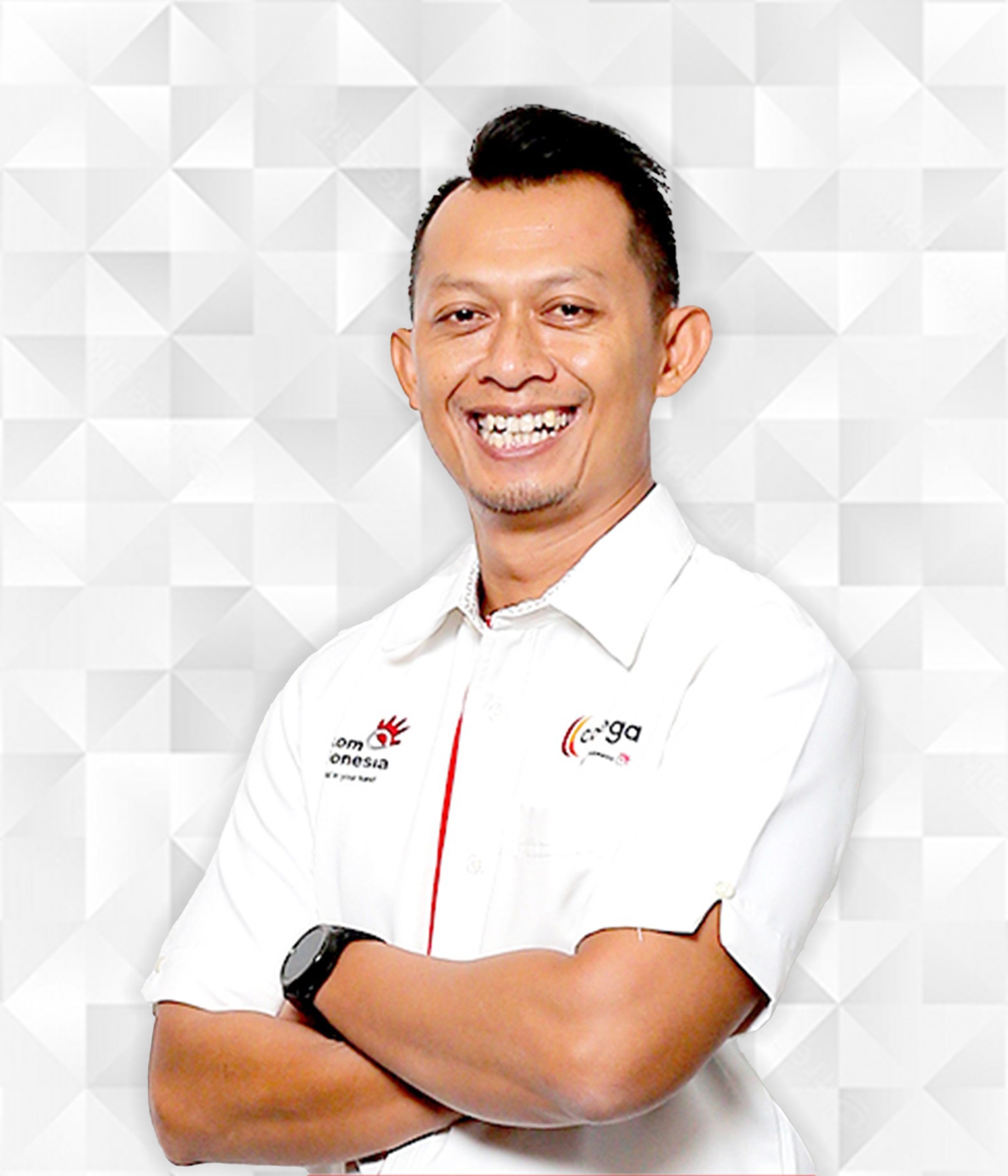
Tatang Mutaqim
Tatang Mutaqim
SVP Business Strategy
SVP Business Strategy
Latest Information from Collega
Latest Information from Collega
Latest Information from Collega

Digital Ecosystem
Blog
Cloud Native in the Banking World: A New Foundation for Agile and Scalable Digital Transformation
Read more
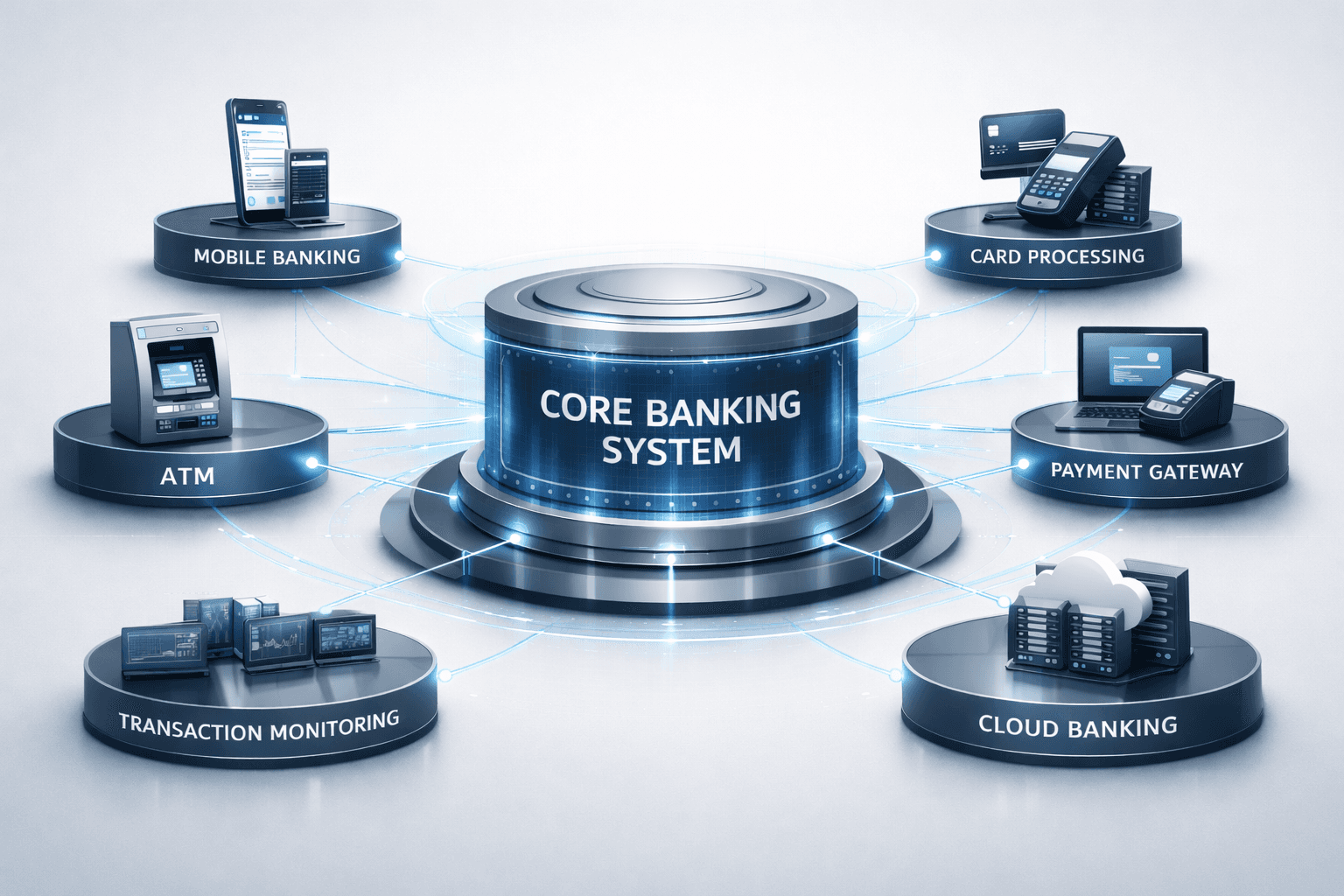
Core Banking
Blog
Core Banking System of the Future: The Foundation of Digital Transformation in Banking
Read more
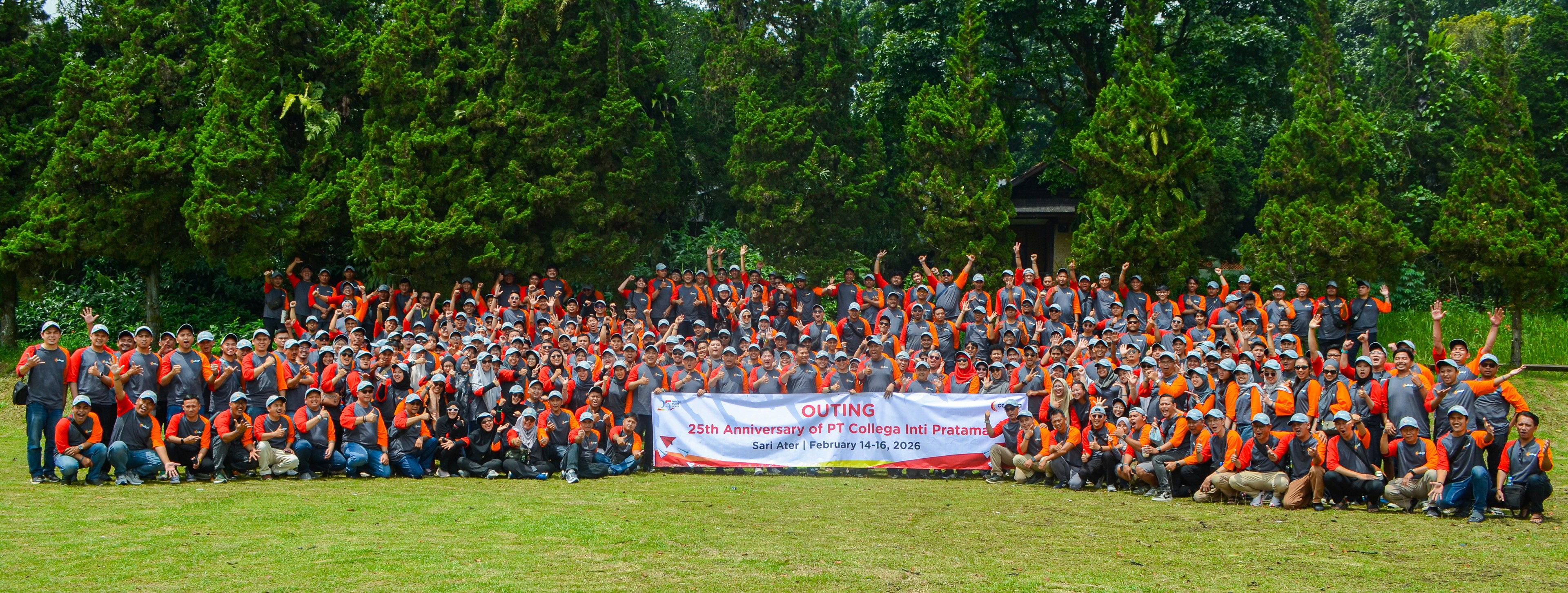
Events & Webinars
PT Collega Inti Pratama Holds Outing 2026: “One Team, Endless Innovation”
Read more
Digital Ecosystem
Blog
Cloud Native in the Banking World: A New Foundation for Agile and Scalable Digital Transformation
Read more
Core Banking
Blog
Core Banking System of the Future: The Foundation of Digital Transformation in Banking
Read more
Events & Webinars
PT Collega Inti Pratama Holds Outing 2026: “One Team, Endless Innovation”
Read more

Let's Realize Your Banking Digital Transformation
The Collega Team is ready to help design the best solutions according to your business needs and regulations.
Let's Realize Your Banking Digital Transformation
The Collega Team is ready to help design the best solutions according to your business needs and regulations.
Let's Realize Your Banking Digital Transformation
The Collega Team is ready to help design the best solutions according to your business needs and regulations.
Products & Solutions
Resources
Address
Talavera Office Park
TB Simatupang Street Kavling 22 - 26 Cilandak South Jakarta 12430
+622175924428
marketing@collega.co.id

Resources
Address
Talavera Office Park
Jl. Letjen TB. Simatupang Kavling 22 - 26 Cilandak South Jakarta 12430
+622175924428
marketing@collega.co.id
Products & Solutions
Address
Talavera Office Park
Jl. Letjen TB. Simatupang Kavling 22 - 26 Cilandak South Jakarta 12430
+622175924428
marketing@collega.co.id