


















The development of digital technology has brought significant changes to the banking industry. Digital Banking presents itself as a modern solution that allows customers to access financial services anytime and anywhere without the need to visit a branch office. This transformation not only enhances convenience but also promotes efficiency and financial inclusion.
What Is Digital Banking?
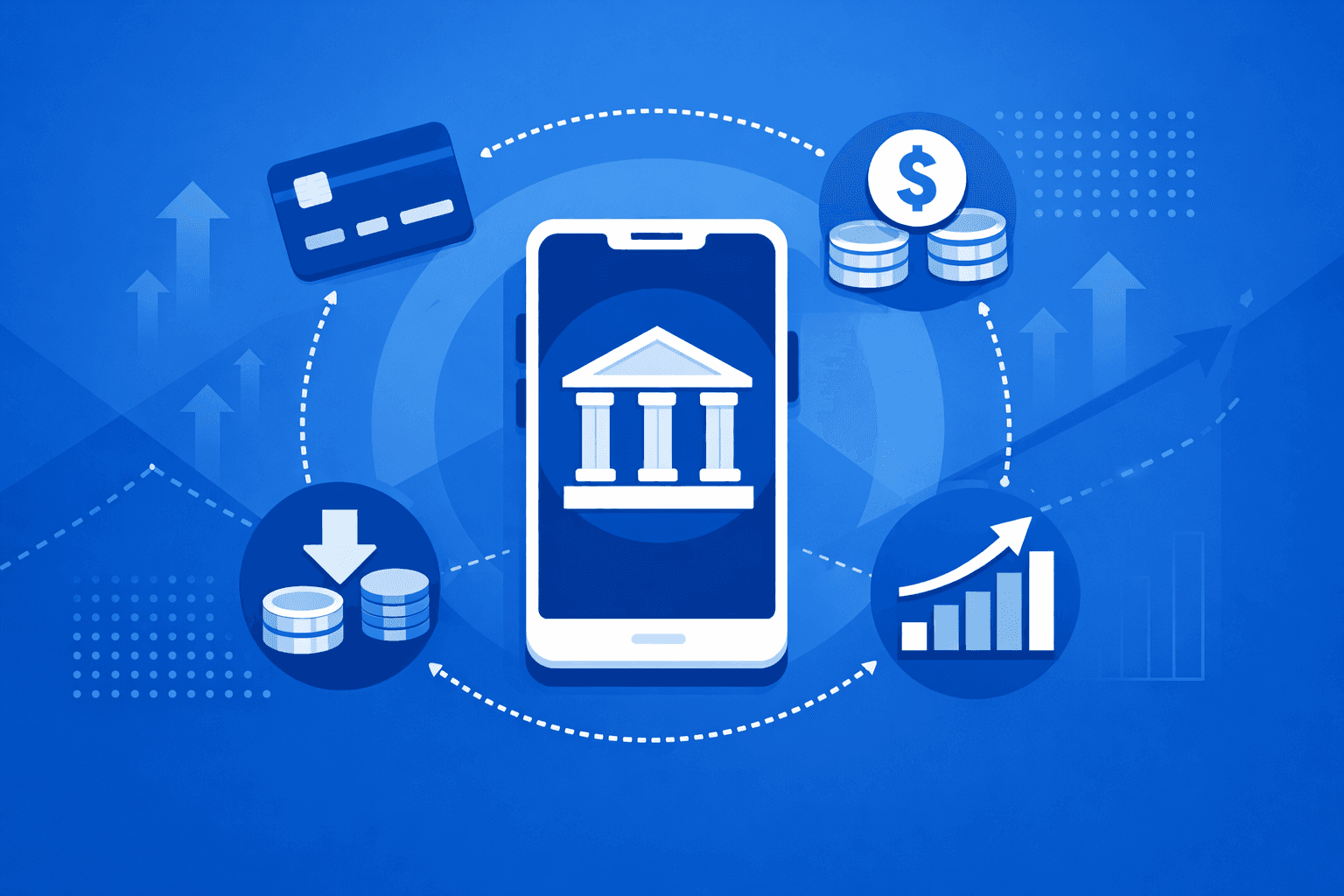
Digital banking is banking services provided through digital platforms such as mobile applications and websites. Through digital banking, customers can perform various financial activities independently, ranging from checking balances, transferring funds, paying bills, to opening accounts online.
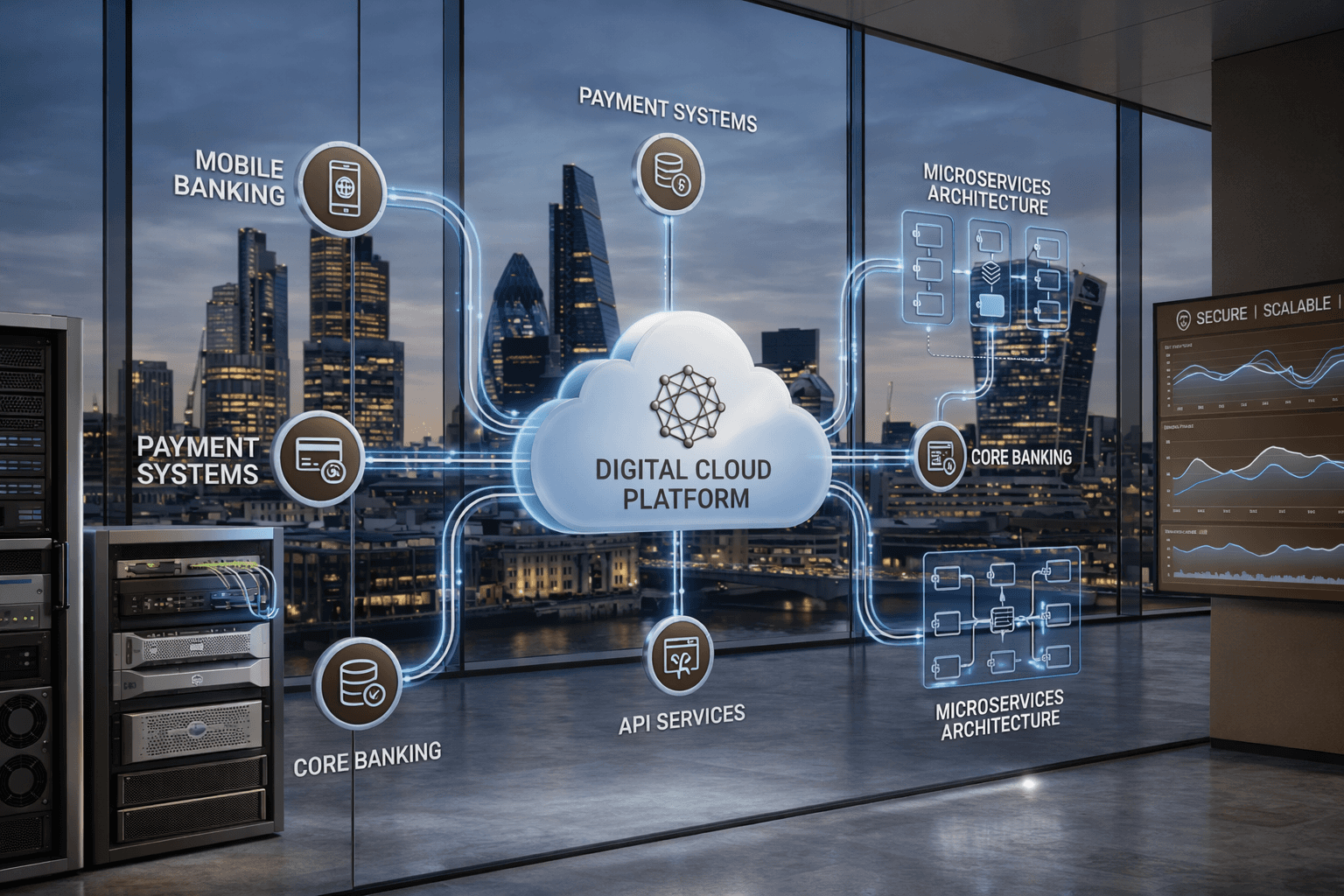
This service is supported by an integrated banking system and reliable security technology.
Main Features of Digital Banking
Digital banking offers a variety of features to meet the needs of modern customers, including:
Real-time account access
Interbank transfers and digital payments
QRIS payments and e-wallets
Card and account management
Transaction notifications and financial history
Digital customer service
These features are designed to provide ease and a faster, more efficient banking experience.
Benefits of Digital Banking for Customers and Banks
For customers, digital banking provides transaction ease without time and location constraints. The process becomes faster, more transparent, and secure. Meanwhile, for banks, digital banking helps improve operational efficiency, expand service reach, and strengthen relationships with customers through digital channels.
Digital banking also plays a vital role in promoting financial inclusion, especially for communities that previously found it difficult to access conventional banking services.
Security in Digital Banking
Security is a crucial aspect of digital banking services. Banks implement various layers of protection, such as layered authentication, data encryption, and real-time transaction monitoring systems. Additionally, educating customers about digital security is also an important part of preventing fraud and data misuse.
The Role of Digital Banking in Banking Transformation
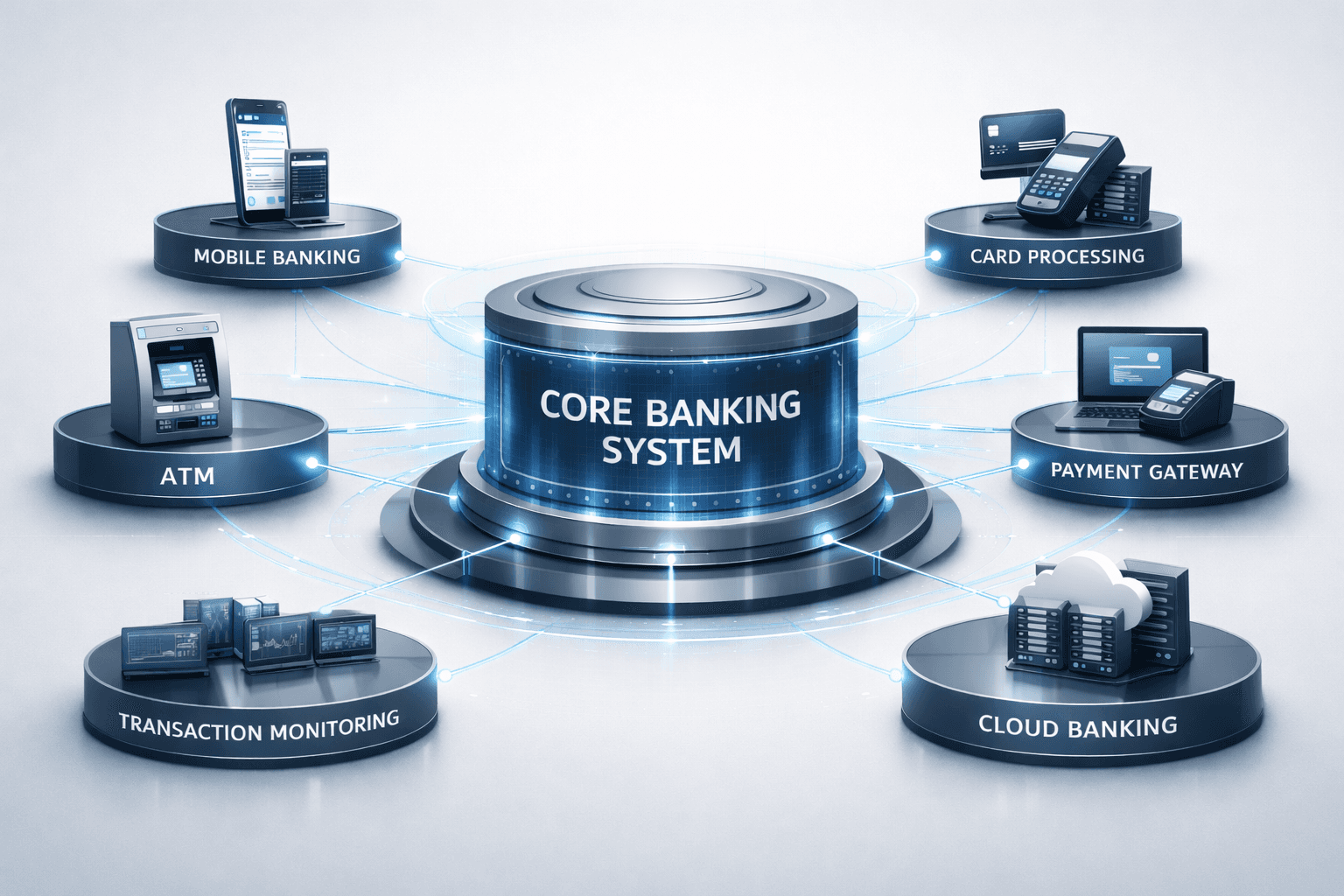
Digital banking is not just a digitalization of services, but a part of a comprehensive transformation in the banking industry. Integration with core banking systems, utilization of analytics data, and collaboration with fintech allow banks to offer more innovative and relevant products and services to market needs.
Digital banking has become the main foundation of modern banking. With ease of access, complete features, and continuously evolving security systems, digital banking provides added value for customers while supporting the sustainable growth of the banking industry in the digital era.